Congratulations — you’ve been invited to an interview! 🎉
That’s a big step. One of the best ways to increase your chances of success is to spend a little time researching the potential employer ahead of the interview.
Here are some practical ideas to help you prepare:
1. Find the Location
-
Look up where the employer is located.
-
If the interview is in person, check the address and review a map so you know exactly where you’re going.
-
If possible, consider driving by the location ahead of time to reduce stress on interview day.
2. Confirm the Interview Time
-
Double-check the date and time of your interview.
-
For virtual interviews, confirm the time zone.
A mix-up between Central Time and Pacific Time can easily lead to a missed interview.
-
When in doubt, confirm the time by email.
3. Look for an Employee Handbook
Some organizations publish an Employee Handbook (also called an Employee Manual, Staff Handbook, or Company Guidebook).
-
These documents often explain company values, expectations, and workplace culture.
-
You may be able to find one online, especially for public organizations or educational institutions.
4. Check Recent News
-
Try a Google search using the employer’s name plus the word “news.”
-
This can help you learn about recent developments, achievements, or challenges.
-
Mentioning something current in an interview shows genuine interest and preparation.
5. Review Annual Reports (If Available)
-
Some organizations publish Annual Reports that summarize the past year and outline future goals.
-
Search the employer’s name along with “Annual Report.”
-
These reports can provide insight into priorities, growth areas, and long-term direction.
Final Thought
Making it to the interview is an accomplishment in itself.
Taking time to research the employer shows professionalism, preparation, and genuine interest — all of which can help you stand out.
Good luck with your interview!
Live Your Life Learning Blog
Cell phones play an important role in the job-search process. Here are a few practical tips to help make sure your phone is working for you — not against you:
1. Check Your Voicemail Storage Limits
Some phones or service providers have limits on how many messages can be stored.
If your voicemail box is full, employers cannot leave new messages — and you may not realize you missed an important call.
✔ Clear old messages regularly
✔ Make sure your voicemail is set up and working
2. Check Your Messages Often
Make a habit of checking your voicemail and text messages throughout the day.
Recruiters sometimes move quickly, and returning calls promptly can make a strong impression.
3. Keep Your Phone in the Same Place at Home
This simple habit reduces stress.
When you’re getting ready for an interview, you don’t want to waste time searching for your phone.
✔ Pick a spot
✔ Keep it there every day
4. Bring Employer Contact Information With You
Before heading to an interview, save or write down the employer’s phone number.
If you’re delayed (traffic, trains, etc.), you can quickly notify them — which shows professionalism and responsibility.
Closing Thought
These simple habits can help you use your cell phone more effectively during your job search — and avoid small problems that could cost you opportunities.
Live Your Life Learning Blog
Remote work has opened up many creative and surprising ways for people to earn a living. There are more options than ever — and some of them are pretty unusual!
Let’s hear from you:
👉 What’s the strangest remote job or income source you’ve ever seen?
Share your thoughts in the comments on the Live Your Life Learning YouTube channel, under the video titled “This Week: Remote Work — Different Ways to Earn an Income.”
Thanks for your comments and insights!
Live Your Life Learning Blog
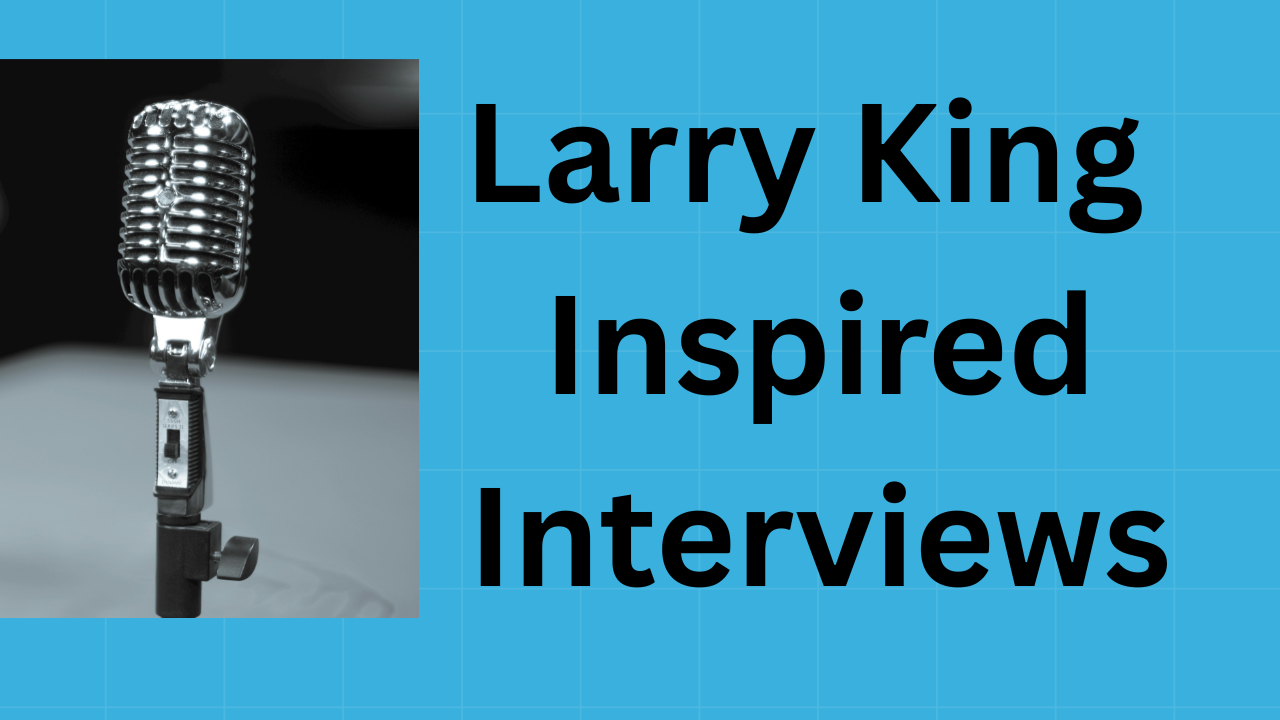
This week, I want to share a little about the direction I’m taking with Live Your Life Learning — specifically, the inspiration behind the interview style I hope to develop.
Larry King, for those who may not know, was a legendary interviewer who spoke with people from all walks of life and on countless topics. His style was simple, curious, respectful, and focused on truly understanding each guest’s story.
Larry King is a major inspiration for the interviews I hope to conduct in the future. My goal is to create a series of conversations — much like his — featuring people from different backgrounds, with different experiences, on a wide range of topics. Ideally, each interview helps us learn more about people’s lives, journeys, and unique stories.
Right now, my main focus is connecting with other content creators. At this time, I’m not planning to cover political or theological topics — the goal is to keep things easygoing, welcoming, and universally interesting.
Live Your Life Learning is a part-time project for me, mixed in with other commitments, so thank you for your patience. This is a learning process, and I’m working behind the scenes to get some interviews lined up.
With such a variety of topics and guests, you might find that one interview doesn’t speak to you — but the next one might be exactly what you’re interested in. That’s the beauty of this approach.
I plan to post all interviews on the Live Your Life Learning YouTube channel and release them on the Live Your Life Learning podcast as well.
Thank you for being part of this journey as I explore Larry King–inspired conversations with people from all different backgrounds and experiences.
Live Your Life Learning Blog
Have a remote or hybrid job? I’d love to hear from you!
More people than ever are working from home, coffee shops, or anywhere with Wi-Fi — and everyone’s experience is a little different.
What kind of remote or hybrid work do you do?
What do you enjoy most about it (or what’s been surprising)?
Share your thoughts in the comments — or even better, drop by the Live Your Life Learning YouTube channel and join the conversation there.
https://www.youtube.com/@liveyourlifelearning1553
I’m collecting stories and ideas from people doing all kinds of remote work. And I would enjoy hearing your story.
Live Your Life Learning Blog
For this week’s topic, let’s talk about cell phone use, contact information for a potential employer, and what to take along when heading to a job interview.
When you go to a job interview, always take along:
✅ Your cell phone
✅ The employer’s contact information (name, phone number, and email if possible)
You never know when something unexpected might happen!
Common examples include:
Car mechanical problems
Traffic jams or accidents
The company recently moved, and you accidentally drive to their old address because Google Maps hasn’t updated yet
If one of these situations happens, don’t panic — when you can safely do so, use your cell phone to call or message the employer and explain what’s going on.
Even if you’re running late, communicating shows professionalism and respect for their time.
In many cases, a quick phone call can save your opportunity and turn a stressful situation into a positive impression.
Live Your Life Learning Blog
This week we look at email communication.
Email remains one of the most important tools in the job search process. Whether you’re applying for in-person or remote positions, the way you handle email communication can leave a lasting impression on potential employers. A well-written message shows professionalism, attention to detail, and respect for the recipient’s time.
Here are five simple strategies to make your job hunt emails more effective.
1. Add the Recipient’s Address Last
We’ve all hit “send” too early before finishing an email. To avoid this, type your message first, then enter the recipient’s address at the very end. This extra step gives you a safety net—ensuring you only send when you’re truly ready.
2. Use Grammar-Checking Tools
Polished writing matters. Before sending, run your message through a grammar-checking program such as Grammarly or ProWritingAid. These tools help catch typos, missing words, and awkward phrasing that could distract from your message. While no software is perfect, they can give your email a cleaner, more professional tone.
3. Double-Check Names
Few things feel worse than misspelling a hiring manager’s name. Names carry weight and show respect. Always double-check the spelling of your recipient’s name before pressing “send.” A quick glance at the job posting, LinkedIn profile, or company website can save you from an embarrassing mistake.
4. Confirm the Email Address
After investing time in your application, you don’t want your email bouncing back—or worse, landing in the wrong inbox. Make sure the email address is typed correctly and belongs to the right contact person or department.
5. Schedule Your Emails
Timing can affect whether your message gets noticed. If you’re writing late at night, don’t hit “send” right away. Instead, schedule your email to arrive during regular business hours, such as 8:30 AM on a weekday. Most email systems—including Gmail and Yahoo—offer a “schedule send” option that lets you control delivery time. This way, your message appears at the top of the recipient’s inbox when they start their day.
Final Thoughts
Mastering email communication may seem like a small detail, but it can make the difference between being overlooked and being invited to an interview. With these strategies—waiting to add the address, checking grammar, verifying names and emails, and scheduling at the right time—you’ll send polished, professional messages that set you apart.
If you’re pursuing remote work, these habits are especially valuable. In a digital hiring process, your emails may be the first impression you make. Make them count.
Live Your Life Learning Blog
For this week, let’s get your opinion.
What interests you about remote work?
You can leave a comment on the Live Your Life Learning YouTube page in the video “What interests you about remote work?”
Live Your Life Learning Blog
This week we look at getting your thoughts.
What is your opinion of the following question.
What is your favorite remote job position?
Or what would be your future favorite remote job position?
You can give your thoughts on the Live Your Life Learning YouTube channel in the video called “Getting Your Thoughts. “
Live Your Life Learning Blog
So, for this week, I would like to talk about the competition for remote job positions.
Focus here on remote jobs in the United States and the general nature of remote jobs; your specific field and a different location in the world may make it easier for you to find a remote job position.
When you read content on the Internet or hear a news story, you will learn about organizations that decide to have people end their remote job positions and come back to the office.
AP (The Associated Press) article about competition for full time remote job in United States for 2025
In an article from the AP (The Associated Press) called “Facing stiff competition, remote workers up their game” by Cathy Bussewitz, the author talked about how competition for remote job positions is more competitive in 2025.
One suggestion the article gives to people seeking remote opportunities is to look for opportunities in the field where you are currently working and are an expert; rather than trying to compete in other fields where you would be new to the field and competing against job applicants who have experience in that field.
The link to the article is here
https://apnews.com/article/finding-remote-jobs-employment-tips-76a61cc6a646493dc3f5e0bfa733160c
Google search
If you do a Google search asking the question
“Is the competition for full-time remote job positions harder to get in 2025?”
The A.I. part of the answer to Google search mentioned that it is indeed more challenging to find full-time remote job positions in 2025.
The A.I. mentioned that many people desire the ability to work remotely full-time.
The A.I. mentioned that the supply of full–time remote positions was in decline, while the supply of applicants wanting full–time remote employment is going up.
The article gave some suggestions for people looking for full-time remote work. For example, see if it is possible to take your current job and do it remotely.
You may face competition from hundreds or even thousands of other people applying for the same full-time remote job position.
So, what to do then?
Here are some ideas
- Will a hybrid position work for you?
You may find less competition for jobs if a hybrid position works for you.
A hybrid position where you go to a work location part of the time, and the other part of the time you work from your home.
- Apply to firms directly in your industry and see if they have remote opportunities.
Sometimes you can show an interest in opportunities even if you do not see a job position listed.
- Informational interviews with people doing the work you want to do remotely.
See if you can talk to people doing the type of work you want to do, and who are working remotely. Talk to people who are working full-time remotely in the fields you are interested in.
An informational interview is where you talk to a person in a profession you are interested in for a short period, and you ask that person questions about that profession. Be aware that informational interviews are not places to ask for opportunities; informational interviews are for the information.
You may learn from others about how they got a remote job position.
One place to find contact names for informational interviews is LinkedIn.
- Career experts
You may find remote opportunities by asking career experts about how to improve your job search.
- Get additional training
You may find that getting further training in an area may help you find a remote job position.
Pause your remote job search
If you find in your field that the competition for remote jobs is highly competitive, take a “pause” in your search and look at the field of remote employment at a later time to see if the opportunities may be better in the future.
During your pause, you may (if you wish) get an additional education in another career field.
Remote jobs can have many advantages for the job seeker. You may find options that are not possible in a non-remote job position.
Live Your Life Learning Blog